OUAGADOUGOU, September 29, 2026 — Burkina Faso has inaugurated its first gold refinery as President Ibrahim Traoré seeks to increase domestic processing of the country’s mineral resources and strengthen national control over the mining sector.
The refinery, known as RAFFINOR-BF, was officially opened on Monday, September 28, in the capital, Ouagadougou, marking a significant development in the government’s efforts to retain more economic value from the country’s gold production.
Speaking during the inauguration, Traoré said Burkina Faso would no longer rely solely on extracting and exporting gold without processing it domestically.
“From now on, gold from Burkina Faso must not only be extracted in Burkina Faso, it must be processed, controlled, valued and certified in Burkina Faso,” he said, according to the Associated Press.
The opening comes as the military-led government pursues greater economic independence and seeks to reduce reliance on foreign countries and companies.
Refinery to increase domestic gold processing
Built on a five-hectare site in Ouagadougou, RAFFINOR-BF has an initial refining capacity of 164 tonnes of gold annually, with plans to expand production capacity to 515 tonnes.
The facility was constructed at a cost of more than 11 billion CFA francs, approximately $19 million, with funding from the government, the National Precious Metals Company (SONASP) and private-sector investors.
According to reports by Reuters and local media, the refinery includes modern processing equipment, a laboratory, secure storage facilities and a jewellery production unit.
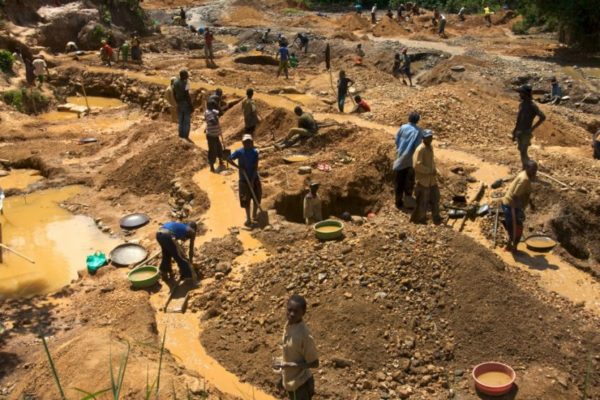
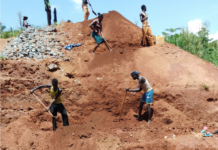
Burkina Faso produced approximately 94 tonnes of gold in 2025, according to government figures, making the mineral one of the country’s principal sources of export earnings.
The government expects the refinery to create more than 100 direct jobs and approximately 5,000 indirect employment opportunities.
Traoré calls for greater control of mineral resources
Traoré said the refinery was part of a broader strategy to ensure that the country’s natural resources contribute more directly to economic development and improve citizens’ living conditions.
“Natural resources belong to the people,” he said. “They must contribute to improve their living conditions, with respect for the environment, social justice and in the interest of future generations.”
The president has repeatedly called for greater domestic control over the mining industry, arguing that exporting unprocessed minerals limits the economic benefits available to producing countries.
Reuters reported that Traoré’s government intends to expand local processing beyond gold to include other minerals, as part of efforts to develop the country’s industrial capacity.
Government seeks to strengthen oversight of gold sector
The refinery is also expected to improve transparency and accountability in Burkina Faso’s gold industry.
Local processing could strengthen the traceability of gold production, improve monitoring of financial transactions and help authorities combat illegal trading, gold smuggling and money laundering.
The government has presented the facility as an important step towards exercising greater control over the country’s mineral value chain.
According to local reports, the refinery is expected to produce gold bars with a purity of 99.99 per cent, meeting international refining standards.
Part of wider regional push for resource control
Burkina Faso’s refinery is part of a broader trend across West Africa, where governments are seeking to increase domestic processing and retain more value from their mineral resources.
According to Reuters, countries including Ghana, Guinea and Mali have also taken steps to strengthen their control over gold production and processing.
Mali has announced plans for a gold refinery, while other regional governments have introduced measures aimed at increasing domestic participation in their mining industries.
However, Burkina Faso continues to face security challenges, with extremist violence affecting mining activities and other economic sectors.
The inauguration also comes amid international scrutiny of the country’s military government over allegations of human rights abuses and restrictions on political freedoms.
Despite these challenges, the government has positioned the refinery as a central part of its economic sovereignty agenda, seeking to transform Burkina Faso from a major gold producer into a country with greater domestic refining capacity.