Zambia’s mining industry is facing growing unease following a series of proposed ownership mining policy reforms that have raised significant alarm among current and potential investors.
The Chamber of Mines now warns that if the government does not reconsider its approach, it risks reversing the progress made since 2021 in attracting mining investment to the country.
Zambia relies on copper for about 70% of export earnings.
The country’s Chamber of Mines was commenting on an article by Bloomberg News about the government’s newly announced plans to create a state-owned company that would control at least 30% of production from future critical mineral mines, including copper.
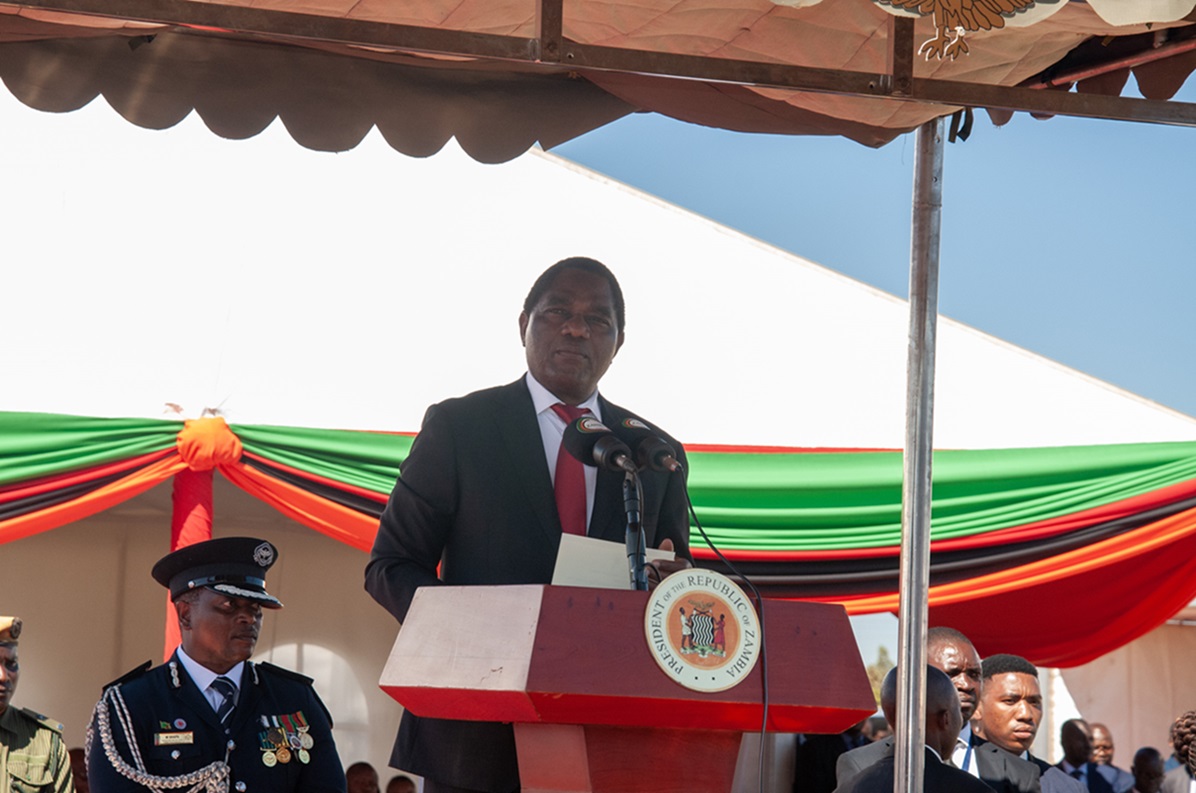
The international news agency reported that in an emailed statement on Tuesday, the Chamber accused President Hakainde Hichilema’s administration of displaying a “serial unwillingness” to engage in “meaningful” consultations with mining companies.
Africa’s second-biggest copper producer is targeting output of three million tons by early next decade – a sharp hike from less than 700,000 tons last year. Such an increase will require investors to transform multiple exploration projects into operating mines, reported Bloomberg.
In its statement release three days ago, the chamber point to a lack of meaningful consultation between government ministries and mining stakeholders.
“Policies and draft laws have been developed in isolation, with industry input often ignored. The Chamber argues that some of the government’s proposals are commercially unviable and deviate from international norms,” it said in a statement.
Of particular concern is the proposed Minerals Regulation Commission Bill, currently before Parliament, which grants regulators sweeping discretionary powers.
In this, the Chamber warns that this could open the door to future corruption, especially at a time when the Mining Cadastre’s actions in reallocating licenses are already causing concern.
Further complicating matters is the recently released National Critical Minerals Strategy 2024-2028, which mandates a 30% state ownership stake in all new mines, as well as a minimum 30% “production share”—a term that remains undefined but could potentially act as an additional royalty on top of the existing mineral royalty tax.
The Chamber asserts that such measures could deter global mining investment in Zambia, as they are far outside standard practices in the industry.
The international community is taking note of these developments, and questions are being raised about Zambia’s apparent U-turn in mining policy direction.
The Chamber is urging the government to consider perspectives that balance national interests with commercial realities to avoid long-term damage to the country’s mining sector and overall economic development.