A cloud of methane has been detected near coal mines in South Africa. Kayrros SAS, Paris-based Analytics Company confirmed the report and said company found the leak by parsing European Space Agency satellite observations. It was the worst plume of methane Kayrros detected in the data over Africa this year.
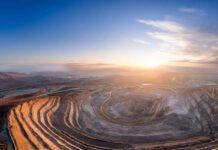
The cloud was spotted about 125 kilometers east of Johannesburg in an area where Sasol has several coal mines as well as chemical and fuel operations, drawing attention to a lesser-known environmental risk that comes from using the dirtiest fossil fuel.
Sasol said it didn’t record any elevated methane levels that day and that emissions from its mining operations “are highly diluted and dispersed over a wide geographical area.” Anglo American said its open cast Isibonelo mine located nearby is “highly unlikely to emit the levels” estimated by Kayrros.
Series of leaks
Kayrros also found two other plumes in the vicinity on May 27, which it estimated had emissions rates of more than 40 tons of methane per hour. The findings are the latest in a series of leaks that have been spotted in countries including Canada and Bangladesh.
While coal is falling out of favor as an energy source because of the large amount of CO2 generated as it’s burned, mining the fossil fuel also causes methane emissions because companies sometimes release the gas trapped underground to lower the risk of explosions.
Methane can continue leaking after mines have been closed or abandoned. The industry is expected to generate about 10% of methane emissions caused by humans by the end of the decade, according to the Global Methane Initiative.
The problem however can be mitigated if miners capture the gas and use it for power generation, coal drying or as supplemental fuel for the boilers, according to the US Environmental Protection Agency.