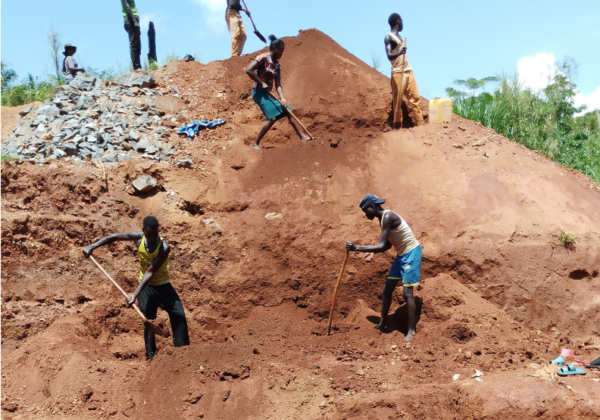
LUBUMBASHI, DRC – Kibali Gold Mine has called for stronger formalisation of artisanal and small-scale mining (ASM) in the Democratic Republic of Congo (DRC), arguing that a more structured and regulated sector is essential for improving livelihoods, enhancing mineral traceability, and supporting sustainable community development.
Speaking during DRC Mining Week 2026 in Lubumbashi, Kibali representatives emphasized that artisanal mining remains a critical source of income for millions of Congolese, but continues to face significant challenges related to informality, unsafe working conditions, environmental degradation, and limited access to legal markets.
The company urged government authorities, mining firms, and development partners to work together to integrate artisanal miners into the formal economy through targeted policies, training programmes, and responsible sourcing initiatives.
The call comes amid growing international attention on the role of artisanal mining in the DRC’s mineral-rich economy. The country is a major global producer of gold, copper, cobalt, tin, tantalum, and other critical minerals, with hundreds of thousands of people relying directly or indirectly on artisanal mining for their livelihoods.
However, much of the sector operates outside formal regulatory frameworks, limiting government oversight and exposing miners to economic and safety risks.
According to discussions highlighted at DRC Mining Week, formalisation would enable miners to gain legal recognition, improve access to markets, and adopt safer and more environmentally responsible mining practices.
It would also strengthen transparency and traceability across mineral supply chains, an increasingly important requirement for international buyers and investors.
Kibali noted that responsible artisanal mining can contribute significantly to local economic development when supported by appropriate governance structures.
The company stressed that formalisation should go beyond regulation and include investment in education, health services, infrastructure, and alternative livelihood opportunities for mining communities.
The issue has gained urgency following concerns raised in recent studies about the social and environmental impacts associated with unregulated artisanal mining.
Research by peacebuilding organisation PAX highlighted the need for stronger governance mechanisms, improved working conditions, and greater community participation to ensure that mineral wealth contributes to long-term development rather than conflict and instability.
Industry experts attending the conference also pointed to the need for designated artisanal mining zones, access to financing, and technical support to help miners transition from informal operations to recognised enterprises. Such measures, they argued, would reduce illegal mining activities and create opportunities for miners to benefit more directly from the value generated by the sector.
The Congolese government has already signalled its intention to strengthen oversight and transparency in the mining industry as demand for critical minerals continues to grow.
Recent reforms and initiatives aimed at improving traceability and supporting artisanal miners form part of a broader strategy to maximise the economic benefits of the country’s vast mineral resources.
As global demand for responsibly sourced minerals increases, stakeholders at DRC Mining Week agreed that formalising artisanal mining will be critical to ensuring that the sector contributes to sustainable economic growth while improving the welfare of mining communities across the country.