Zimbabwe’s government is promising sweeping reforms to its mining sector amid growing concerns over environmental destruction, water contamination and the displacement of communities living near mining operations.
The proposed reforms come as residents of Shurugwi, a mining town in central Zimbabwe, accuse mining companies of destroying farmland, polluting water sources and exposing local populations to serious health risks.
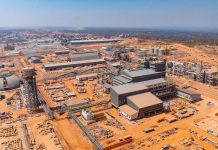
Once-green hills surrounding the town have been transformed into barren landscapes covered with open pits following extensive gold extraction by Zimbabwe Chenxi Investments, a Chinese-owned company whose board includes Collins Mnangagwa, son of President Emmerson Mnangagwa.
Residents say mining activities have created persistent dust pollution, while chemicals used in gold processing, particularly cyanide, are allegedly washing into nearby rivers during rainfall.
“There is dust everywhere, even in the food. We close windows, but it still gets in,” said local resident Bright Mavedzenge, describing the impact on households.
Health concerns are also mounting. A nurse at a local hospital reportedly observed an increase in patients suffering from respiratory complications, including suspected cases of silicosis, a lung disease associated with prolonged exposure to silica dust.
Residents’ association vice-chairman Pardon Machocho said explosions from mining operations had damaged houses and water reservoirs. He also reported that families had been displaced and small-scale miners forced off their mining claims to make way for industrial operations.
Tensions escalated earlier this month when security personnel linked to Chenxi reportedly attempted to remove artisanal miners, triggering violent confrontations that left one person dead.
Government proposes legislative changes
In response to mounting criticism, Zimbabwe is reviewing its 1961 Mines and Minerals Act through proposed legislation intended to strengthen environmental protection and improve accountability in the mining industry.
The Mines and Minerals Bill introduces requirements for environmental impact assessments before mining licences are granted. It also proposes an environmental restoration fund to support the rehabilitation of land damaged by mining activities.
Other measures include a digital register of mining titles, the establishment of a specialised mining court and stricter environmental standards. The proposed legislation also seeks to strengthen consultation with communities and make mining companies more accountable for their social and development commitments.
Legal expert James Tsabora has described the proposed legislation as a significant improvement on existing regulations, particularly regarding environmental inspections, licence renewal requirements and community consultation.
However, environmental and human rights activists remain sceptical about its implementation. Farai Maguwu has questioned the proposed mining board’s independence, arguing that excessive government control could undermine accountability in a sector where corruption remains a persistent concern.
Shamiso Mtisi, deputy director of the Zimbabwe Environmental Law Association, has warned that regulations must be enforced consistently to prevent the country’s mineral wealth from becoming a curse rather than an economic benefit.
Mining companies face growing scrutiny
Zimbabwe Chenxi Investments has defended its operations, saying it holds valid environmental impact assessment certificates and undergoes regular government inspections.
The company’s general manager, Simon Karimanzira, said it waters roads to control dust, monitors groundwater cyanide levels and manages stormwater runoff. He also reported that the company planted 20,000 indigenous trees in 2025 and provides compensation to families relocated because of mining activities.
Nevertheless, residents say the damage continues. Machocho claims community grazing land has been taken over and that nearly 150 graves could be exhumed to accommodate further mining expansion.
As Zimbabwe seeks to attract investment and maximise its gold, lithium, chrome and platinum resources, the challenge will be balancing economic growth with environmental sustainability and community rights.
For Shurugwi’s residents, the success of the proposed reforms will ultimately depend not on promises made in Parliament, but on whether mining companies are held accountable for the damage already inflicted on their communities.